Select theme:


Explore the Timeless Spiritual Heritage of Khwaja Moinuddin Chishti.
Complete HistoryLearn complete history about Khwaja Moinuddin Chishti.

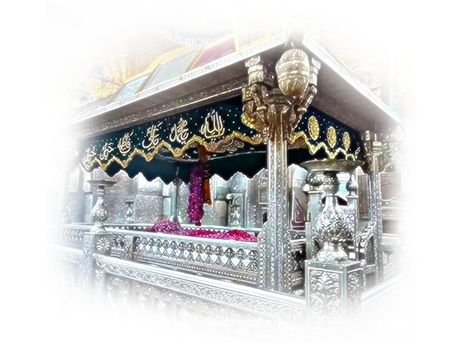
The Ajmer Sharif Dargah is the final resting place of the revered Sufi saint, Khwaja Moinuddin Chishti (RA), known as Gharib Nawaz.
Architecture, History & Sacred Spaces
Learn More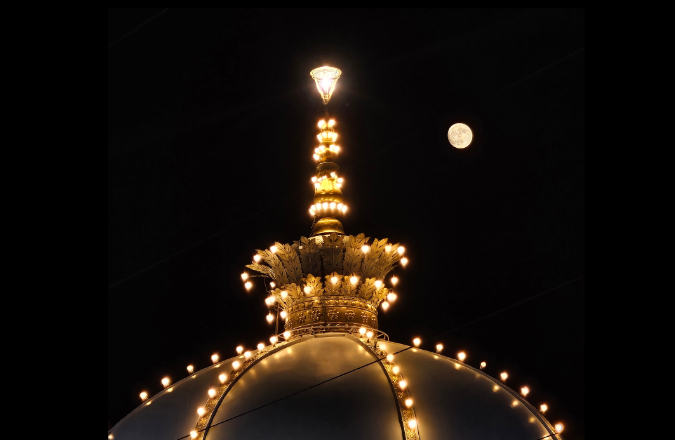
Key Milestones in the Legacy of Khwaja Gharib Nawaz, Journey Through Time

A prominent spiritual leader in Ajmer, known for his rare blend of profound scholarship and compassionate leadership.
Islam values knowledge, emphasizing faith in Allah جل جلاله and Prophet Muhammad صلى الله عليه وسلم, prayer, charity, fasting during Ramadan, and pilgrimage to Mecca
Learn More








We provide a range of services, from daily food distribution (Langar) and spiritual support through Dargah Ziarat, to educational assistance and medical care for those in need.
The best time to visit Ajmer Sharif Dargah is between October and March when the weather is cooler. The annual Urs festival, held in the Islamic month of Rajab, is also a significant time to visit, though it attracts larger crowds.
Yes, visitors are encouraged to cover their heads as a sign of respect. Common rituals include offering chadars (sacred cloth) and flowers at the saint’s tomb, reciting prayers, and participating in the evening qawwali sessions.
No, there is no entry fee to visit Ajmer Sharif Dargah. It is open to all, regardless of their religion or background.
Absolutely. Ajmer Sharif Dargah is a place of spiritual unity, and people of all faiths are welcome to visit and pay their respects.
The Dargah is involved in several charitable activities, including the Langar (community kitchen), providing clothing and medical assistance, and supporting educational initiatives for underprivileged children.